History & Culture
Renaissance
The Renaissance was a European cultural movement marked by renewed interest in classical learning, artistic experimentation, humanism, and investigation of the natural world.
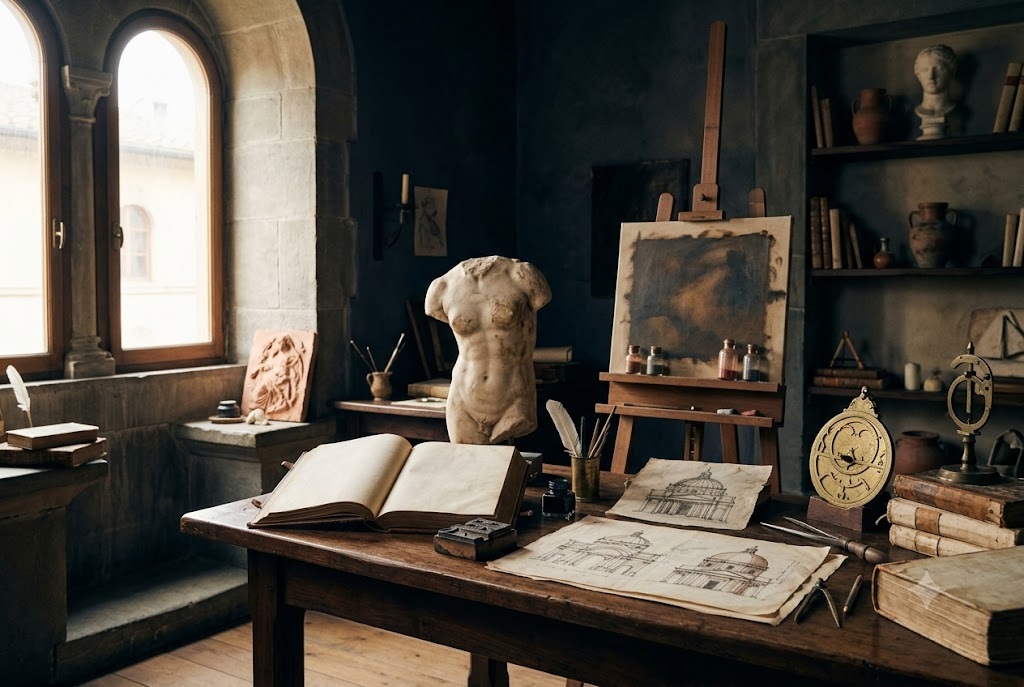
The Italian Renaissance is commonly described as a cultural flowering from about 1400 to 1600, with related developments appearing elsewhere in Europe. Florence became an influential center where artists, writers, architects, and scholars studied ancient Greek and Roman models while exploring nature, the human body, language, and individual intellectual potential.
Renaissance culture extended beyond painting and sculpture. Humanism encouraged rigorous study of Greek and Latin texts, while developments in architecture, music, engineering, medicine, and printmaking changed how knowledge and artistic ideas were created and shared. In northern Europe, Renaissance ideas also interacted with local traditions and the Reformation.
Quick facts
- The National Gallery of Art describes the Italian Renaissance as a cultural flowering lasting from about 1400 to 1600.
- Florence led many Italian cities as a center of craftsmanship, trade, banking, humanist scholarship, and artistic production.
- Humanism was a major intellectual movement whose scholars closely studied and interpreted ancient Greek and Latin texts.
- Renaissance artists and thinkers used ancient Greece and Rome as models while examining the natural world and the human body and mind.
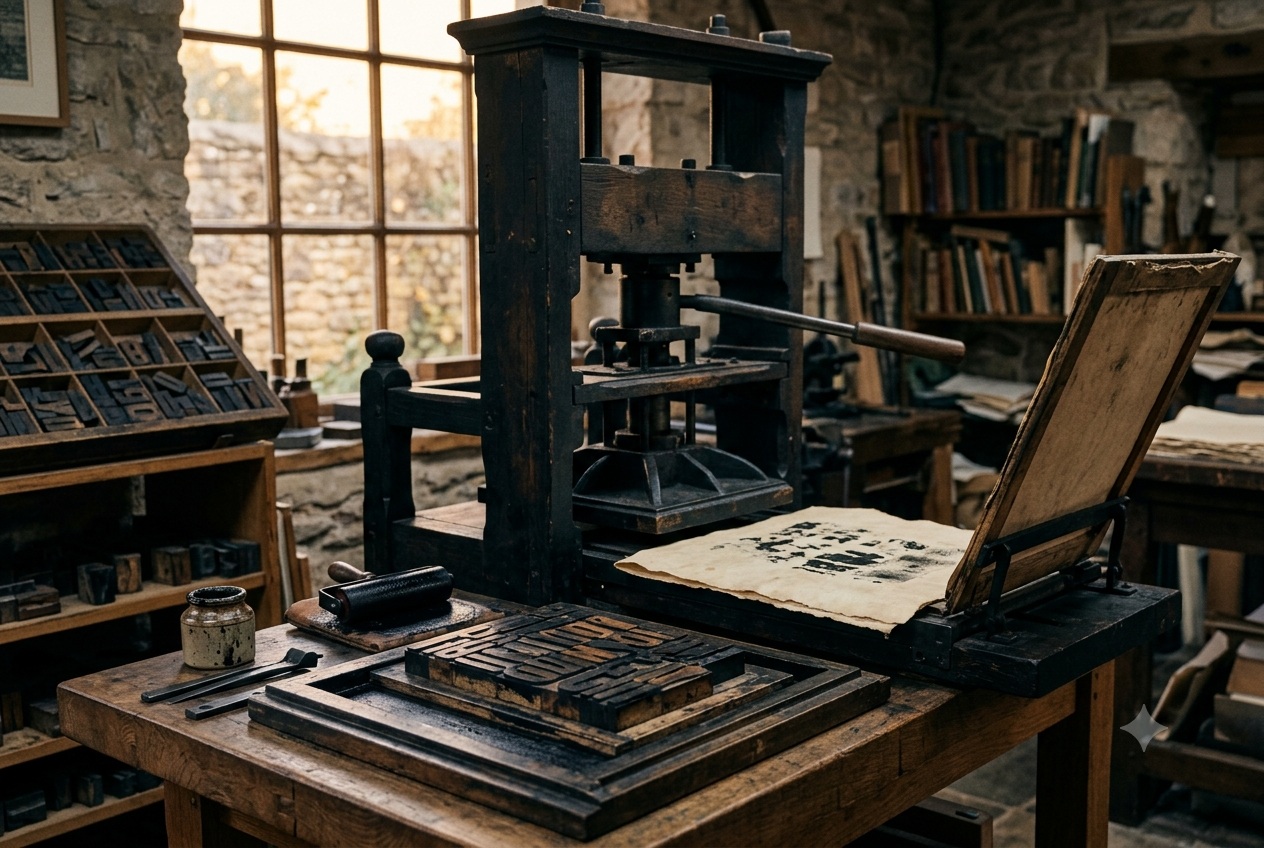
- Woodcuts, engravings, and other prints spread knowledge of classical buildings, sculpture, artistic inventions, and new styles throughout Europe.
A surprising fact
Leon Battista Alberti's On Painting, written in 1435–36, explained linear perspective, a method that may have first been developed by Filippo Brunelleschi.