Objects & Inventions
Light Bulb
A light bulb is an electric lamp that produces illumination, with traditional incandescent versions glowing by heating a filament inside glass.
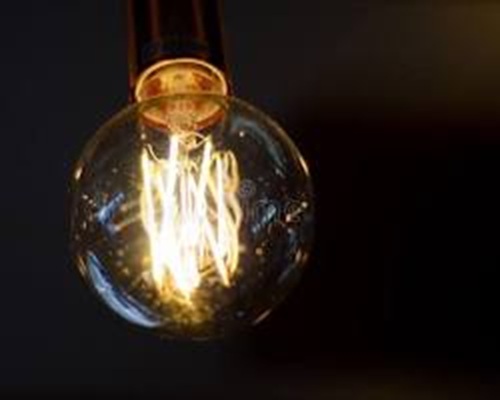
A light bulb is an electric lamp designed to produce visible light. In a traditional incandescent bulb, electric current heats a thin filament until it glows. The filament is enclosed in glass and protected from oxygen by a vacuum or an inert gas so it does not burn away immediately.
Many inventors contributed to electric lighting before Thomas Edison. In 1879, Edison and his laboratory team demonstrated a practical incandescent lamp as part of a complete electrical lighting system. Modern lighting also includes fluorescent, halogen, and light-emitting diode technologies that work differently from classic filament bulbs.
Quick facts
- An incandescent bulb produces light by heating a filament until it glows.
- The glass envelope protects the hot filament from reacting rapidly with oxygen.
- Electric lamps existed in experimental forms before Thomas Edison's work.
- Edison and his team developed a commercially practical lamp together with generators, wiring, meters, and other parts of a lighting system.
- Edison publicly demonstrated his Menlo Park lighting system on December 31, 1879.
A surprising fact
By 1881, Edison had developed a screw-base bulb that could fit a socket resembling those still used for many household lamps.