Objects & Inventions
Steam Engine
A steam engine is a machine that uses the pressure or expansion of heated water vapor to produce mechanical motion.
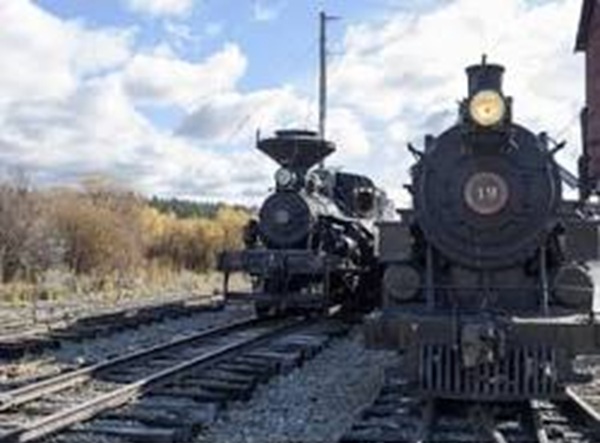
A steam engine converts thermal energy from steam into mechanical work. Water is heated in a boiler, and the resulting steam acts on a piston, turbine, or other mechanism. That motion can drive machinery, pumps, wheels, or generators.
Steam engines became central to mining, manufacturing, and transportation during industrialization. James Watt did not invent the first steam engine, but his separate condenser and other improvements greatly reduced wasted energy and helped make steam power more efficient and widely useful.
Quick facts
- A steam engine uses heated water vapor to create mechanical motion.
- Steam can move a piston or turn a turbine, depending on the engine's design.
- Early steam engines were widely used to pump water from mines.
- James Watt improved steam-engine efficiency by developing a separate condenser.
- Steam power was used in factories, locomotives, ships, and electrical generation.
A surprising fact
The unit of power called the watt was named for James Watt, whose reputation rests largely on improving rather than inventing the steam engine.