Science & Space
Moon
Earth’s natural satellite and the brightest object in the night sky after the Sun.
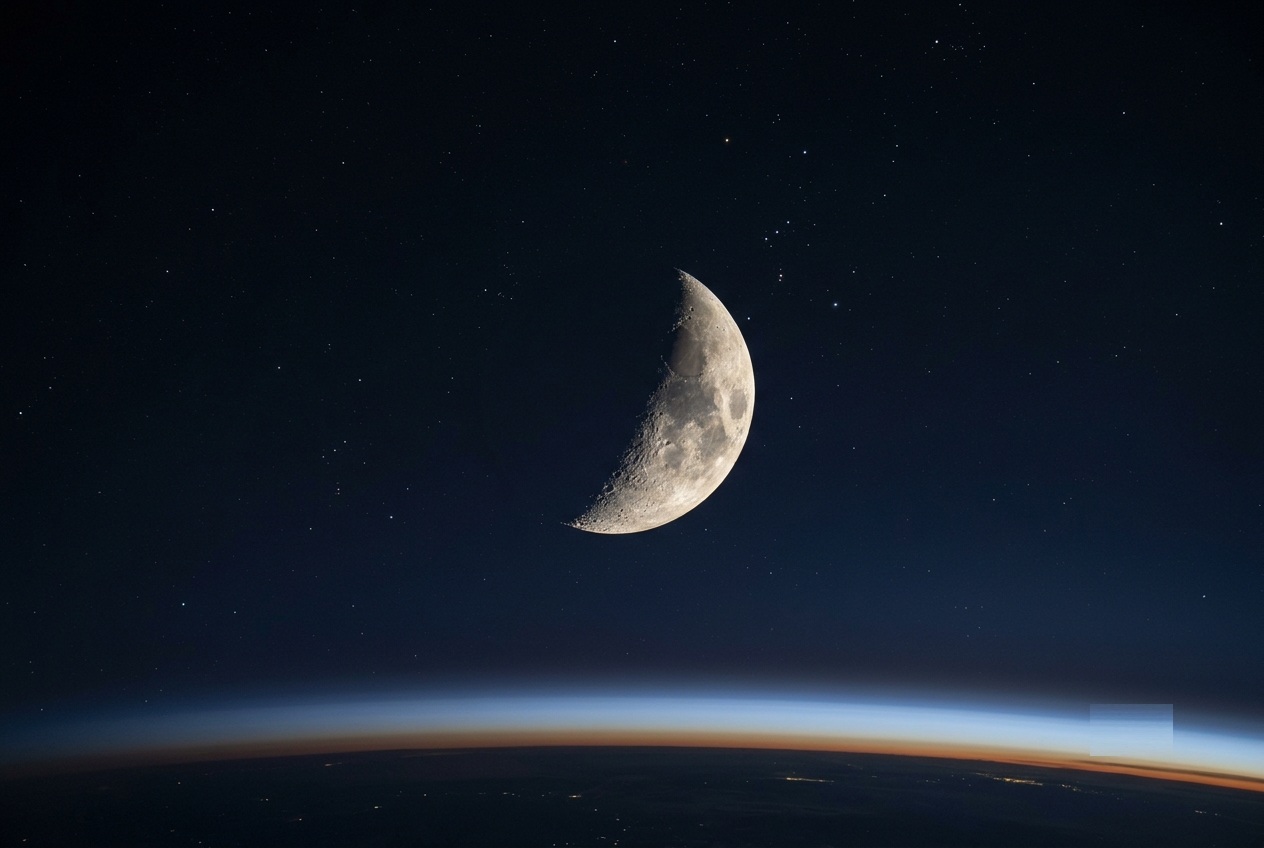
The Moon is Earth’s natural satellite. Its phases, changing appearance, and influence on tides have made it a familiar subject of observation across cultures.
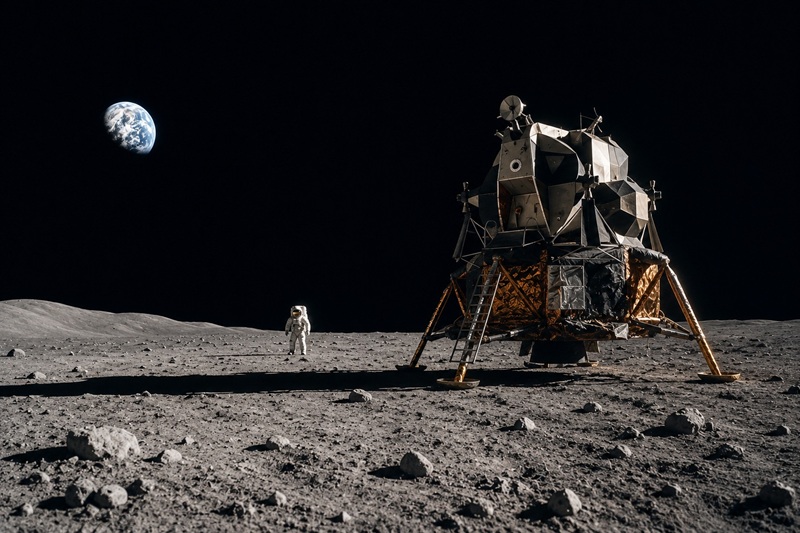
The Moon is close enough for detailed robotic and human exploration, making it a useful bridge between everyday skywatching and space science.
Quick facts
- It is Earth’s natural satellite.
- Its phases result from changing viewing geometry.
- The Moon influences Earth’s tides.
- It has been visited by robotic and crewed spacecraft.
- It has a much lower gravity than Earth.
A surprising fact
The same side of the Moon generally faces Earth because its rotation and orbit are synchronized.